
How to Prepare Accommodation for a Live-In Maid
Simple arrangements that make live-in work practical, safe and respectful for both sides.

How to Prepare Accommodation for a Live-In Maid
Welcoming a live-in maid into your home is a meaningful step — one that brings day-to-day relief to busy families while offering stable employment to a working professional. Getting the accommodation right from day one sets a positive tone, reduces misunderstandings, and helps your new hire settle in quickly. Whether you live in a spacious independent house in Gurugram or a mid-sized apartment in Powai, thoughtful preparation makes a real difference.
Why Accommodation Matters More Than You Think
A live-in arrangement is unique because your home becomes both a workplace and a residence for the person you hire. When basic living needs are met with dignity, your maid is more likely to feel secure, stay longer, and perform her responsibilities with focus. On the flip side, poor arrangements breed resentment and high turnover — which costs your family time, money, and stability.
Choosing the Right Space
Ideally, a live-in maid should have a private room with a door that closes. This is not always possible in compact urban apartments, but even a partitioned corner or a dedicated alcove with a curtain is far better than a shared hallway. Consider the following when selecting the space:
- Privacy: The space should allow her to rest, change, and make personal calls without intrusion.
- Ventilation: A room with a window or adequate airflow is important, especially during Delhi NCR summers. Avoid windowless storage rooms repurposed hastily.
- Proximity: A room near the kitchen or utility area is practical, but make sure it is not so isolated that she feels unsafe at night.
- Security: The room should have a working latch or lock from the inside so she can secure her personal belongings.
Essential Furnishings and Fittings
You do not need to furnish a luxury suite. A clean, functional space with the basics is entirely sufficient and deeply appreciated.
- A proper bed or cot with a mattress, pillow, and bedsheet. Sleeping on a floor mat long-term is neither comfortable nor respectful.
- A small storage unit — even a simple steel almirah or a set of drawers — so she can organise her clothes and personal items.
- A hook or rack for hanging clothes.
- A working light bulb and a power socket for charging her phone.
- A fan or access to air conditioning during warmer months.
Bathroom and Toilet Access
This is one of the most common friction points in live-in arrangements. Clarify bathroom access before she joins:
- If you have a separate servant bathroom, ensure it is clean, stocked with basic toiletries, and has running water and a functioning geyser.
- If she will share a family bathroom, agree on timings clearly to avoid awkward overlap.
- Provide a bucket, mug, and a small shelf or hook for her personal items.
Meals and Kitchen Access
Discuss meals as part of your agreement. Many families provide home-cooked food as part of the live-in package. If she is expected to cook her own meals, define when and how she may use the kitchen. A small shelf in the pantry for her personal groceries is a courteous gesture. Keep the arrangement simple and spoken out loud — assumptions lead to confusion.
Setting Ground Rules Early
Good accommodation goes hand in hand with clear boundaries. Before she moves in, have a friendly conversation covering:
- Rest hours — when she is off duty and should not be disturbed.
- Visitor policy — whether family members or friends may visit and under what terms.
- Mobile phone use — reasonable personal use during rest hours is normal and should not be restricted entirely.
- Common area access — which areas of the home are shared and which are private to the family.
A Note on Safety and Documentation
Always keep a copy of your live-in maid's government ID (Aadhaar, for instance) and share your address with her family. This protects both parties. Many families in cities like Bengaluru and Noida also register their domestic worker with the local police station or resident welfare association — a sensible precaution.
Regarding salary, remember that in most structured arrangements the service fee (inclusive of GST) is paid to the agency, while the worker's salary is paid directly to her each month. Clarify this from the start to avoid any confusion.
Frequently Asked Questions
Is it mandatory to provide a separate room for a live-in maid?
There is no legal mandate specifying a separate room, but providing private, dignified space is considered best practice and significantly improves the working relationship and staff retention.
What if my apartment is small and I cannot spare a full room?
A curtained partition or a clearly defined sleeping area with basic furnishings and privacy can work well in compact homes. What matters most is that the space is clean, safe, and respected as hers during rest hours.
Should I provide bedding and toiletries, or does she bring her own?
It is courteous to provide basic bedding (mattress, pillow, sheets) as these are bulky to carry. For toiletries, a small starter set is a welcoming gesture, though most workers prefer to use their own personal products going forward.
Ready to Find the Right Live-In Help?
Once your space is prepared, the next step is finding someone reliable, verified, and well-matched to your household's needs. Maidvy follows a structured screening and placement process designed to take the guesswork out of hiring live-in domestic staff. Explore Maidvy's booking process to understand how we can help your family find the right person with the right fit.
More from Household Management
 Household Management
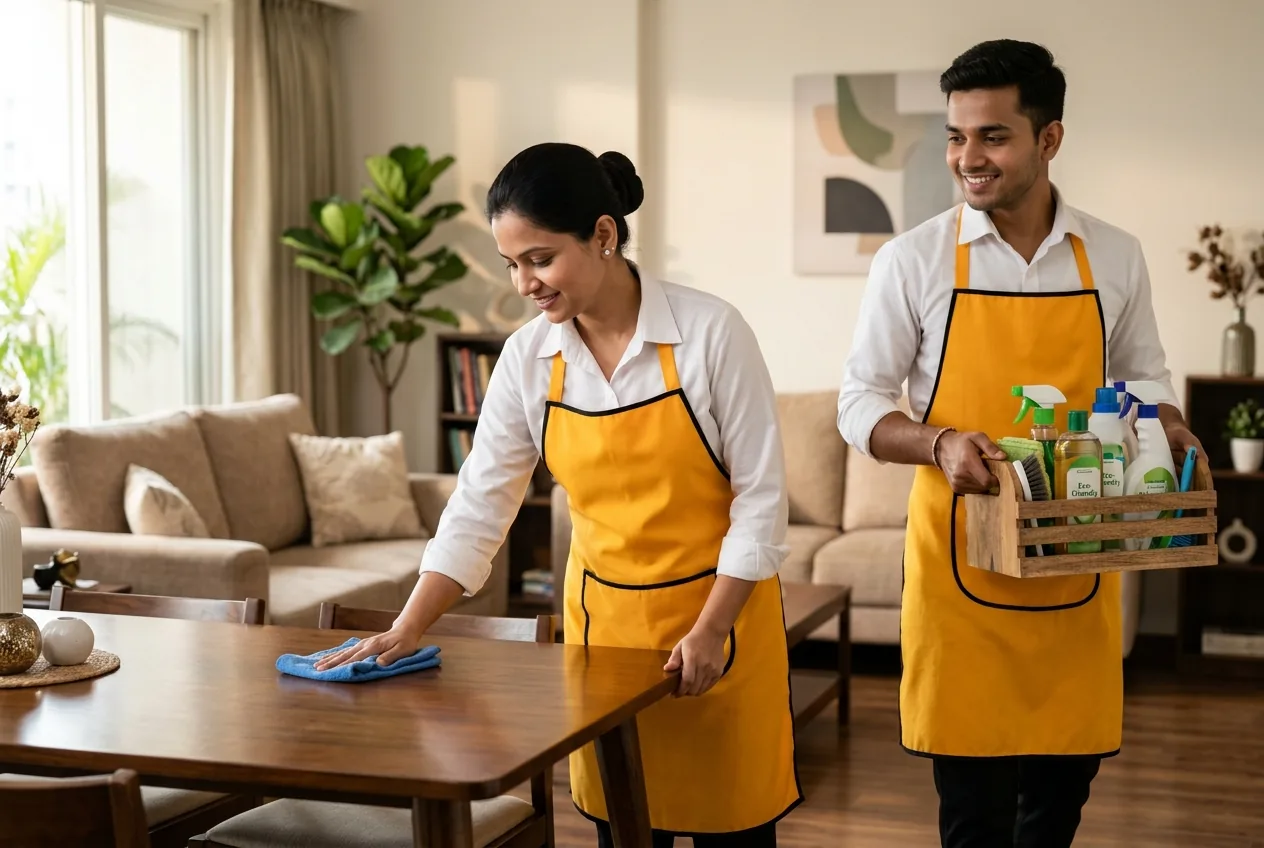
What Responsibilities Should Be Discussed Before Deployment?
Aligning expectations upfront prevents most day-to-day friction between families and household staff.
 Household Management
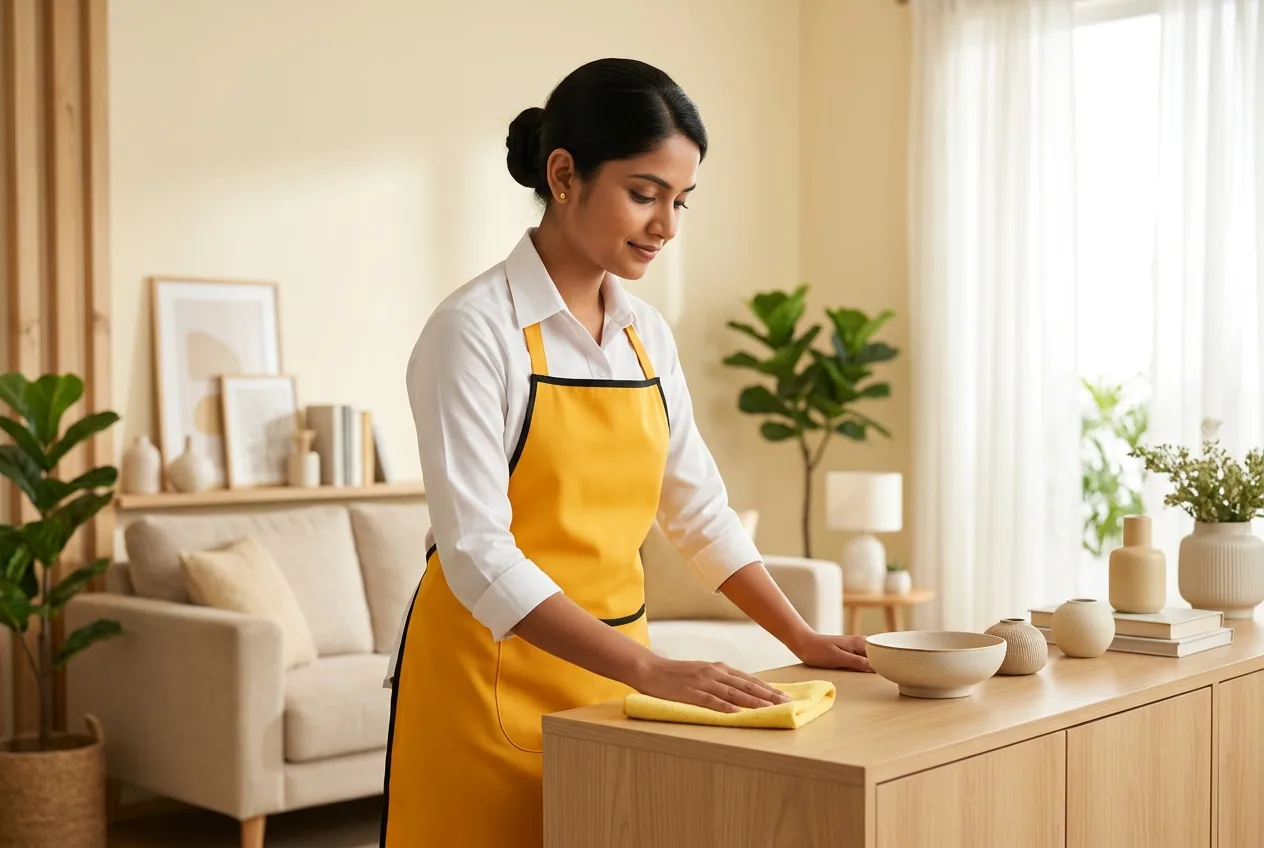
How to Set a Fair Monthly Salary for Domestic Help
A simple framework based on hours, responsibilities, city and current local market rates.
 Household Management
Tips for Maintaining a Respectful Employer-Worker Relationship
Small habits that build long-term trust, dignity and retention in your household.
One thoughtful article. Straight to your inbox.
No spam, no salesy fluff. Only checklists, comparisons and household guidance — twice a month.
- Unsubscribe anytime
- 2 emails / month, max
- Written by our editorial team